Slippery hills & bridges
A thin coating of ice can make a steep hill impassable. Change plans early when freezing rain is expected, and avoid unnecessary driving. Check official road conditions.


Brrr-ace yourselves! Winter can turn a peaceful home into a plumbing, power and road-safety puzzle. Violet is here to help you protect the people, pets, pipes and places that matter - before, during and after the freeze.
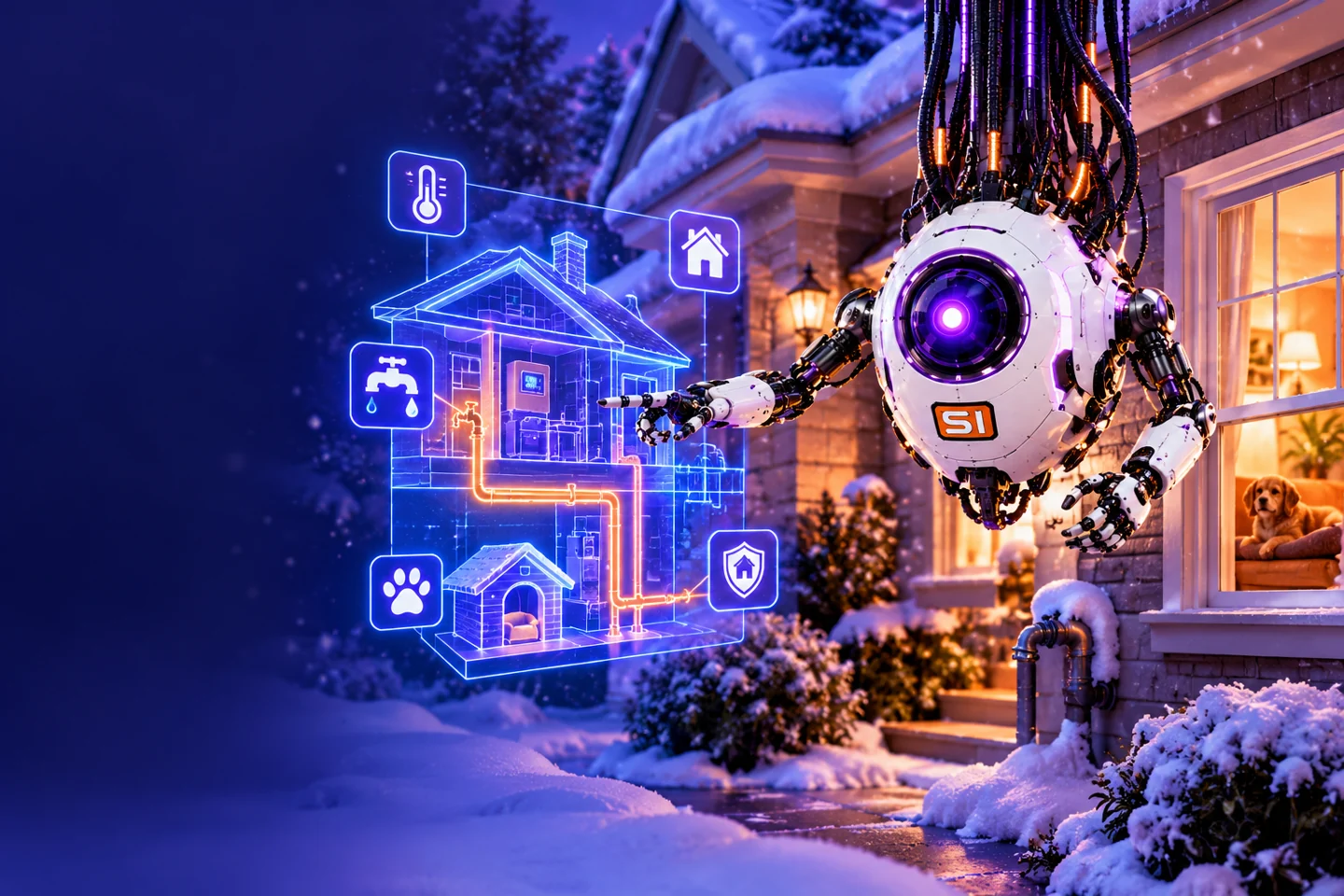
This guide is evergreen and does not report live local weather. Freezing risk depends on the temperature, how long it lasts, wind exposure, insulation and where your pipes run. Check National Weather Service alerts and your local emergency management office before deciding what needs attention.
The original SMORTLER winter guide covered six smart areas. Violet kept every area, refined the advice, and turned it into an interactive mission board. Check tasks off as you actually complete them.
Choose All, Before, During or After to see tasks for that stage. Your checks remain selected when you switch views and are saved only on this device in this browser, if browser storage is available. This is a checklist, not a live monitoring system.
Not sure which phase? Start with All, then prepare the critical items first.
0 of 41 checks complete
Saved locally when supported.
Showing all 41 tasks.
Keep warmth inside and protect the house.
No flooded surprises when the thaw arrives.
Warm paws, safe water and a cozy place to sleep.
Prepare the vehicle - then know when not to drive.
Small equipment problems can become large leaks.
The essentials when roads and electricity fail.
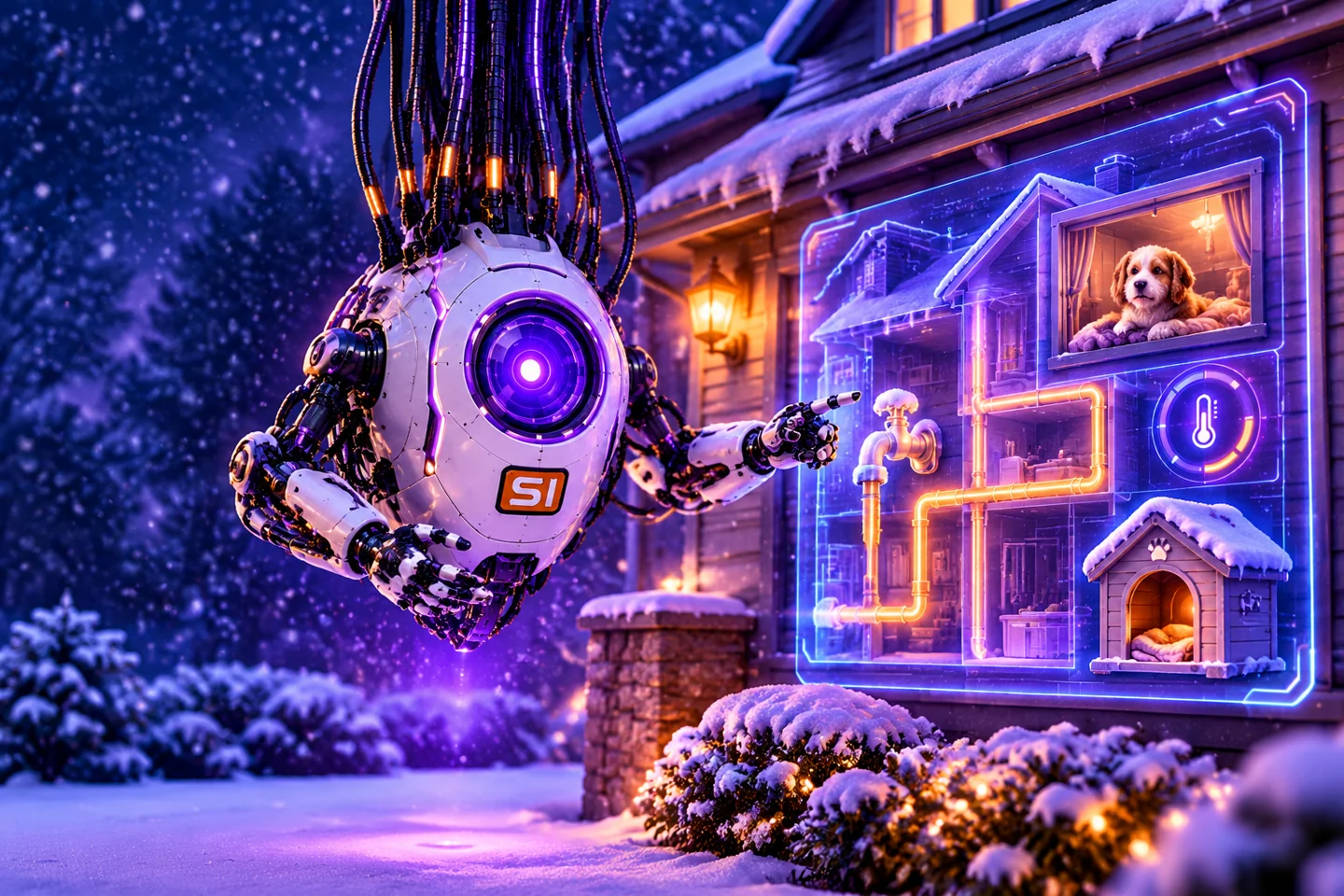
From frozen hose bibs to a cold attic drain, the riskiest problems often hide where the home's warm air does not reach. Start with exposed pipes and heating, then check supplies, pets and your travel plan.
Know what to do if something goes wrongThe original guide wisely warned about steep hills and ice-laden trees. Here's how to treat those hazards, along with the indoor dangers that cause some of winter's worst emergencies.
A thin coating of ice can make a steep hill impassable. Change plans early when freezing rain is expected, and avoid unnecessary driving. Check official road conditions.
Keep clear of damaged, leaning or heavily iced branches. Report dangerous trees. Never approach a tree touching utility lines or attempt to cut it free yourself.
Generators, charcoal grills, camping stoves and fuel-burning equipment can produce deadly CO. Never operate them indoors or in a garage. A working CO alarm is essential.
Use a listed heater designed for indoor use, on a stable surface, at least 3 feet from anything flammable. Plug it directly into a wall outlet; do not leave it unattended.
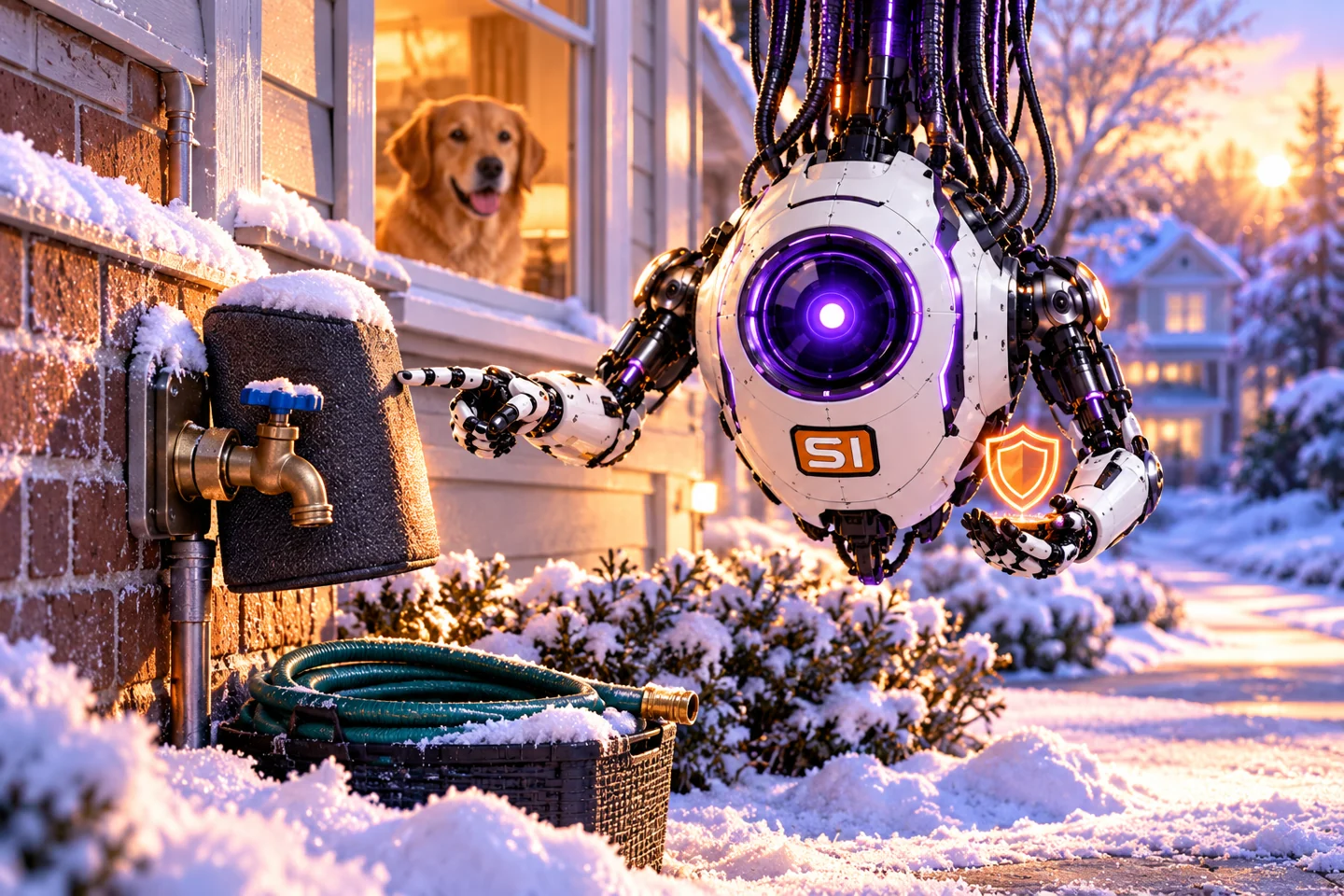
Disconnecting a hose and draining a properly designed exterior faucet matter more than placing insulation over a water-filled hose. Add a suitable insulated cover where appropriate, but follow the plumbing manufacturer's winterizing instructions.
If the faucet feeds a vulnerable line through an unheated space, protect that upstream line too. An exterior cover cannot fix an uninsulated pipe inside the wall.
The image is a creative illustration, not a photograph of an approved insulation installation.
Preparation buys you time. If trouble strikes, your first job is to protect people, then prevent more damage. For immediate danger, contact emergency services.
Shut off the main water supply if safe. Avoid wet electrical hazards. Call a licensed plumber and document damage for repairs or insurance.
Keep the affected faucet open and warm only accessible pipe using gentle warm air or wrapped warm towels. Never use a torch, open flame or unattended heater. Call a plumber if hidden or damaged.
Use flashlights rather than candles. Wear warm layers, limit heat loss and go to a safe warming location if necessary. Never heat your home using a gas oven, grill or generator.
Get everyone, including pets, outside to fresh air immediately. Call 911 from outside. Do not re-enter until emergency responders say it is safe.
Stay far away from downed wires, anything touching them, or flooded areas near electrical equipment. Contact the utility or emergency services; do not attempt removal.
Confusion, unusual drowsiness or severe shivering can be signs of hypothermia. Seek urgent medical help; move the person to warmth and replace wet clothing while help arrives.
The work changes as the weather changes. Use the stage filters above to focus the checklist, and keep an eye out for damage as temperatures rise.
Inspect the home and vehicle, insulate lines, protect outdoor fixtures, charge devices, gather supplies and check forecasts.
Keep indoor heat on, watch vulnerable pipes, care for pets, avoid icy roads, and never improvise unsafe heating.
Check for leaks, HVAC drainage problems, icy trees and refreezing roads. Replace supplies and document anything that needs repair.
This page keeps the original SMORTLER guide's six topics, playful spirit, icy-hill warning and tree-safety reminder. For the 2026 update, we refined thermostat guidance, qualified dripping and irrigation practices, corrected attic drain advice, and added strong heating and CO warnings.
Reviewed October 28, 2026. General educational information, not a substitute for local warnings, a professional inspection, the manufacturer's instructions or emergency services. The Violet winter illustrations are original creative artwork. Checklist progress is browser-local, with no submission to SMORTLER servers.
Keep warm, check on your neighbors, and know your water shutoff before you need it.